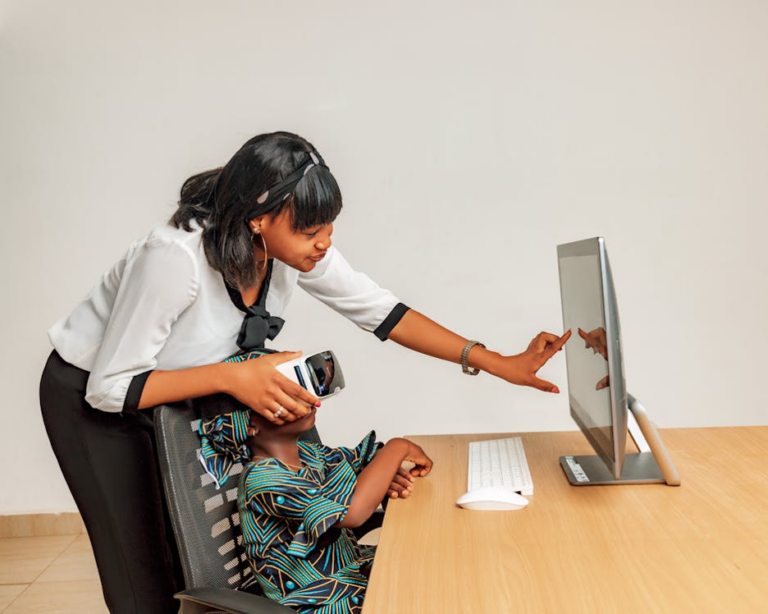
Education is no longer tied to the bell ringing or the chalkboard squeaking. From Zoom classes to interactive learning platforms, today’s learning environment is fluid, personalized, and oddly portable. Students can now study while commuting, reheating mac and cheese, or even during halftime at a soccer game. This flexibility isn’t just convenient—it’s a lifeline for learners who need alternatives to the traditional mold.
The classroom of the future doesn’t look like a room at all. It looks like an app, a video game, a livestream, or a community Discord. Tech is breaking down physical barriers and helping learners of all ages, from kindergarteners to mid-career professionals, access lessons that fit their lifestyle. It’s changing where we learn, and just as importantly, how we learn.
College Isn’t Just a Place Anymore
The line between college campus and home office has all but disappeared. With more schools offering hybrid and fully virtual options, students can earn degrees without ever setting foot in a lecture hall. That’s a big deal, especially in places like North Carolina, where rural communities are gaining better access to education through digital programs.
Flexibility is a huge draw for working adults going back to school or students who want to avoid the high costs of campus life. As students compare options, many are discovering the best online colleges in NC offer strong academic programs, tech support, and course flexibility that fit into busy schedules. For example, the University of North Carolina Wilmington provides fully online degrees such as their Master of Business Administration and RN to BSN programs designed to help professionals advance without relocating or quitting their jobs. These programs let learners stay closer to home while gaining valuable credentials. For a student balancing family or a full-time job, that balance can make all the difference. These online programs are built to meet students where they are, not the other way around.
As traditional schools scramble to adapt, these online institutions are showing how modern learning can work when designed for the digital age from the start.
Digital Classrooms, Real Connections
Critics often argue that technology isolates us, but it can also do the opposite—connect learners across continents. Whether it’s a virtual book club between teens in Durham and Dubai, or a science fair where kids collaborate through shared whiteboards, tech is making learning more global.
Online classrooms aren’t just video calls anymore. They’re full of tools that encourage participation—like polls, live chats, and breakout rooms where shy students might feel more comfortable sharing ideas. In some ways, tech is helping students find their voice more easily than they could in a crowded classroom. It’s not about replacing human connection, but enhancing it in new formats.
The Rise of Microlearning and Modular Education
Long lectures are giving way to something far more digestible: short, focused lessons known as microlearning. Whether it’s a five-minute language app session or a 10-minute YouTube deep dive on quantum physics, learners today are grabbing knowledge in bites, not buffets.
This trend is especially appealing to people who want to learn on the go. It’s also reshaping career training. Instead of full degrees, many professionals are now pursuing certificates or modules to upskill in specific areas. Employers are starting to recognize these bite-sized credentials, meaning your next job could depend on a weekend course rather than four years of school.
Equity Is the New Frontier
While technology opens doors, it also highlights who gets left behind. Not every household has fast internet or the latest device, and that gap is more than inconvenient—it’s a barrier to opportunity. The pandemic made this painfully obvious, as millions of students fell behind simply because they lacked access.
Closing this gap requires more than donations; it demands infrastructure, community investment, and policy changes. Some states are taking action by expanding broadband in underserved areas or providing devices to students. Still, more work is needed to ensure the future of learning is truly available to everyone.
Learning How to Learn
As we move into this tech-powered future, one thing is becoming clear: content matters, but learning how to learn matters more. With information constantly evolving, the ability to adapt, verify sources, and think critically is as essential as the knowledge itself.
Technology gives us the tools, but curiosity, discipline, and resilience shape the outcome. Schools are beginning to focus more on these skills, encouraging students to ask better questions, manage their time, and reflect on what they’ve learned. In a world of limitless information, knowing how to navigate it is the real superpower.
Gone are the days when education ended with a diploma. Lifelong learning isn’t a catchy phrase anymore—it’s a necessity. Whether you’re coding your first app at age 12 or mastering Excel at 52, the tools are there, waiting for you to log in.