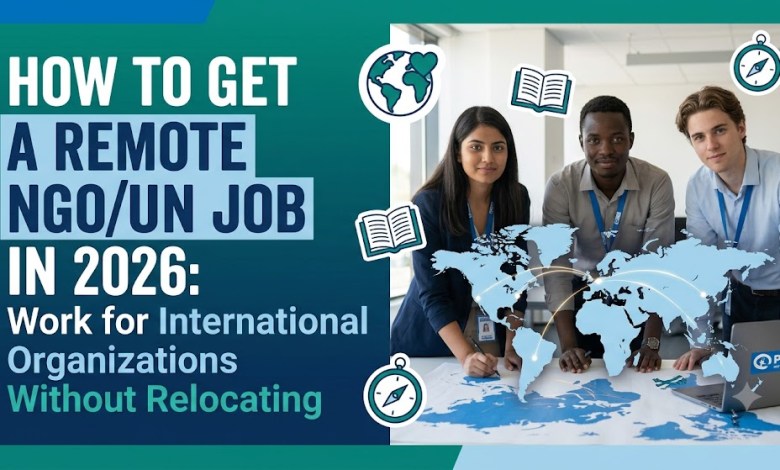
Remote work has transformed the way international organizations recruit talent. In 2026, many non-governmental organizations (NGOs), United Nations agencies, humanitarian organizations, and international nonprofits are hiring professionals who can contribute from anywhere in the world.
From project management and communications to finance, monitoring and evaluation, information technology, and policy research, remote opportunities continue to expand.
For professionals seeking meaningful careers with global impact, securing a remote NGO or UN job no longer requires relocating to another country. Success depends on understanding the recruitment process, building the right skills, and presenting a competitive application.
Why Remote NGO and UN Jobs Are Growing
International organizations have increasingly embraced flexible work arrangements to access global talent, reduce operational costs, and improve diversity within their workforce. Many positions are now designed as fully remote, home-based, or hybrid roles.
Common benefits include:
- Flexible working arrangements
- Competitive salaries and benefits
- International career exposure
- Opportunities to work with multicultural teams
- Meaningful work that contributes to sustainable development and humanitarian goals
Remote positions are available for both experienced professionals and entry-level candidates, depending on the organization’s needs.
The Most In-Demand Remote NGO and UN Careers
Several departments consistently recruit remote professionals across different organizations.
Popular remote roles include:
- Project Coordinator
- Programme Officer
- Communications Specialist
- Grant Writer
- Monitoring and Evaluation (M&E) Officer
- Data Analyst
- Research Consultant
- Human Resources Officer
- Finance and Budget Analyst
- Digital Marketing Specialist
- Information Technology Support
- Policy Advisor
- Content Writer and Editor
- Graphic Designer
- Translator and Interpreter
Many organizations also hire consultants for short-term assignments that often lead to longer contracts.
Qualifications That Increase Hiring Chances
Although each organization has unique requirements, successful candidates typically possess a combination of education, experience, and technical skills.
Strong qualifications include:
- Bachelor’s or Master’s degree in a relevant field
- Experience in nonprofit, humanitarian, or development work
- Excellent written and spoken English
- Knowledge of additional UN languages such as French, Spanish, or Arabic
- Strong analytical and communication skills
- Experience working remotely
- Proficiency with collaboration tools such as Microsoft Teams, Zoom, Slack, and Google Workspace
Professional certifications in project management, monitoring and evaluation, or data analysis can also strengthen an application.
Where to Find Remote NGO and UN Jobs
Job seekers should rely on official recruitment platforms and trusted nonprofit job boards rather than unofficial social media posts.
The best sources include:
- United Nations careers portals
- International NGO career websites
- Humanitarian job boards
- Development sector recruitment platforms
- LinkedIn Jobs
- Organization-specific career pages
- International consulting platforms
Setting up job alerts helps candidates respond quickly when new remote vacancies are announced.
How to Build a Competitive Application
Competition for remote international jobs is often intense. Recruiters may receive hundreds of applications for a single position.
A strong application should include:
- A customized CV tailored to the specific role
- A compelling cover letter highlighting relevant achievements
- Quantifiable results from previous work
- Keywords that match the job description
- Clear evidence of remote collaboration skills
- Professional references
Applicants should avoid sending identical applications to multiple organizations. Tailored applications generally perform much better.
Skills That Employers Value in 2026
Technical qualifications remain important, but employers also prioritize workplace skills that support successful remote collaboration.
Highly valued skills include:
- Time management
- Cross-cultural communication
- Problem-solving
- Digital collaboration
- Project planning
- Data visualization
- Report writing
- Stakeholder engagement
- Research and analysis
- Adaptability
Candidates who demonstrate these competencies through measurable achievements often stand out during recruitment.
Preparing for Virtual Interviews
Most international organizations now conduct interviews online. Candidates should prepare carefully by researching the organization’s mission, current projects, and strategic priorities.
Useful interview preparation tips include:
- Testing internet and audio equipment beforehand
- Practicing competency-based interview questions
- Preparing examples using the STAR method
- Demonstrating knowledge of the organization’s work
- Showing enthusiasm for international development and humanitarian issues
- Maintaining professional communication throughout the interview
Confidence, preparation, and professionalism can significantly improve interview performance.
Common Mistakes to Avoid
Many qualified applicants miss opportunities because of avoidable errors during the application process.
Common mistakes include:
- Using generic cover letters
- Ignoring application instructions
- Applying without relevant experience
- Failing to proofread documents
- Missing application deadlines
- Overlooking required certifications
- Providing incomplete employment histories
Careful attention to detail demonstrates professionalism and reliability.
Networking Can Open Hidden Opportunities
Not every consultancy or project opportunity is widely advertised. Building a professional network can help candidates learn about upcoming vacancies before they become publicly available.
Effective networking strategies include:
- Joining nonprofit and development communities online
- Participating in virtual conferences and webinars
- Connecting with recruiters and professionals on LinkedIn
- Engaging in sector discussions
- Volunteering for international nonprofit initiatives
Strong professional relationships often lead to referrals and consulting opportunities.
Final Thoughts
Remote NGO and UN careers in 2026 provide professionals with the opportunity to contribute to global development, humanitarian response, environmental sustainability, education, healthcare, and human rights without relocating. As international organizations continue expanding flexible work models, qualified candidates who invest in relevant skills, tailor their applications, and prepare thoroughly for recruitment processes will be well positioned for success.
By combining strong qualifications, strategic job searching, continuous professional development, and effective networking, job seekers can significantly improve their chances of securing rewarding remote positions with leading international organizations while making a meaningful impact from anywhere in the world.