Deadline: May 17, 2026
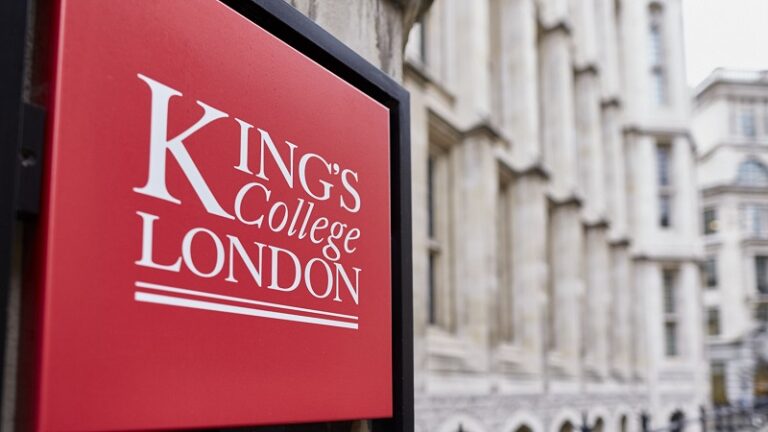
Applications for the King’s College London PhD Studentship on Justice and Energy Transitions with Emphasis on Critical Minerals 2026/2027 are now open. This fully funded PhD studentship forms part of the UKRI Future Leaders Fellowship project, Justice in Critical Minerals Governance and Energy Transitions. The studentship offers an exceptional opportunity to contribute to cutting-edge research on justice, community experiences, and governance within global energy transitions, particularly in regions affected by critical mineral extraction.
The successful applicant will join the African Leadership Centre (ALC), a globally recognised hub for research and training on security, leadership, peace, and development. The ALC is committed to producing African-led knowledge and advancing innovative approaches to global challenges. King’s College London, a world-leading research institution, will host the studentship, providing a vibrant scholarly community, excellent methodological training, and opportunities for interdisciplinary engagement.
The PhD project will be developed in alignment with the broader Fellowship, with flexibility for the candidate to shape their own research focus within themes of justice, extractive industries, socio‑environmental transitions, community participation, or bottom‑up knowledge production. Comparative studies that focus on Ghana, Chile and or Australia would be looked at favourably, although the PhD project is expected to have a global justice and energy transition appeal.
Award
- Stipend: £23,805 per year (paid at UKRI rate)
- Tuition fees: £8,000 (plus inflation for additional years)
- Research allowance: £1,350 per year
Eligibility
They welcome ambitious applicants with a strong academic background and interest in justice, sustainability, governance, or energy transitions. Candidates should have:
Essential
- A master’s degree (completed or near completion) in International Development, Political Science, Environmental Studies, Geography, Sociology, Anthropology, Law, or a related field.
- Strong interest in interpretive, ethnographic or community-centred research approaches, including the analysis of narratives, symbols, silences, and other non-verbal forms of meaning-making relevant to justice in extractive contexts.
- Demonstrated ability or clear potential to work with bottom-up, participatory or co-creation methodologies, especially those that seek to foreground community voices and lived experiences often absent from formal policy processes.
- Experience using qualitative or multimodal analysis software (e.g., NVivo, Atlas.ti, MAXQDA, or similar) to code and interpret diverse data forms, including interviews, fieldnotes, images, gestures, symbols, and other non-verbal or narrative artefacts, particularly within interpretive or ethnographic research.
- Demonstrated interest in natural resource governance, energy transitions, environmental justice, or extractive politics.
Desirable
- Excellent written and verbal communication skills.
- Experience conducting fieldwork in Africa, Latin America, Australia or other extractive regions.
- Background in sustainability transitions, indigenous studies, or environmental governance.
Application
Applicants should submit the following:
- CV (max 2 pages)
- Cover Letter (1–2 pages) explaining your interest in the studentship, relevant experience, and alignment with the project
- Research Proposal (3,000–5,000 words) outlining your intended area of focus within the themes of justice, critical minerals, or energy transitions.
- Academic transcripts
- Two references (at least one academic)
For more information, visit King’s College London.