


Deadline: January 15, 2026
Applications are open for the Knight Science Journalism Program at MIT 2026-2027. Every year, the Knight Science Journalism Program at MIT (KSJ) offers academic-year fellowships to 10 science journalists from around the globe, giving them an opportunity to explore science, technology, and the craft of journalism; to concentrate on a specialty in science; and to learn at some of the top research universities in the world.
The program is designed to recognize journalists who demonstrate a high level of professional excellence and accomplishment as well as a long-term commitment to their craft. Journalists from all countries compete on an equal basis and are encouraged to apply.
Programme Details
The fellowship program is divided between activities arranged by the Knight Science Journalism staff and self-directed activities.
- Seminars: Fellows’ time in Cambridge is enriched by regular seminars from top researchers and media professionals.
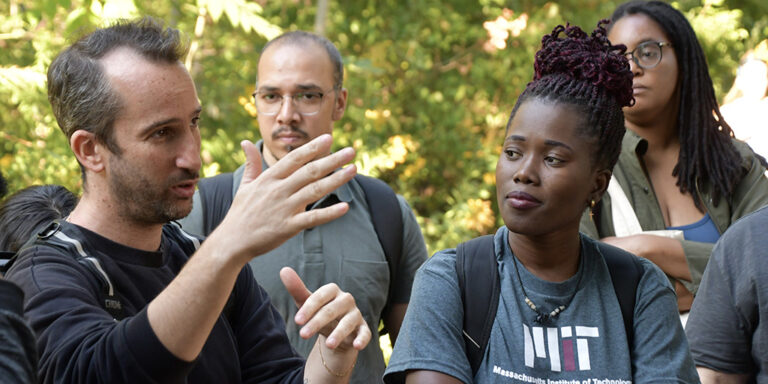
- Field Trips: KSJ organizes several trips each year to locations of special interest to science and technology writers. Past destinations have included the Woods Hole Oceanographic Institution and the Marine Biological Laboratory in Woods Hole, MA, the Jackson Laboratory in Bar Harbor, ME, and the Harvard Forest in Petersham, MA.
- Skill-Focused Workshops: The number of storytelling channels open to journalists is multiplying, and they want their Fellows to return to the workforce with more technical skills than they had coming in. Each year they include a few skills-based workshops. Past workshops have centered around mobile video, still photography, digital editing, data journalism, and podcasting.
- Course of Study: Fellows audit courses at MIT, Harvard, and other colleges and universities in the area. As long as fellows include one science course each semester, they have immense flexibility in choosing the suite of courses they wish to attend. Professors of these classes must approve the fellows’ request to audit.
Benefits
- Fellows receive an $85,000 stipend paid out in installments over 9.5 months
- A travel and housing stipend paid near the start of the fellowship
- Basic health insurance for each fellow and their family
Eligibility
To be eligible for a KSJ Fellowship, applicants must meet the following criteria:
- Be full-time journalists, whether on staff or freelance. Part-time writers or producers are not eligible.
- Have at least three consecutive years of experience covering science, health, technology and environmental reporting.
- Be reporters, writers, editors, producers, illustrators, filmmakers, or photojournalists. This includes work for newspapers, magazines, television, radio, and digital media.
Applicants must not have completed a fellowship of four months or longer during the two years prior to applying for the Knight Science Journalism Fellowship.
Application
Each applicant must submit the following documents:
- A Statement of Purpose: Describe, in 500 words or less, why you want to participate in the Knight Science Journalism Fellowship Program and how it fits with your professional goals.
- A Career Summary: Describe, in 200 words or less, your professional life to date.
- Resume or Curriculum Vitae: Provide a brief overview of your education, work history, and professional honors. (Freelancers should include a list of freelance jobs completed in the past 12 months. Include each story, venue, and date of publication or broadcast.)
- Research Project Proposal: Describe, in 500 words or less, a project you intend to develop during the fellowship year. The goal is for fellows to create a project that uniquely leverages their time and experiences at MIT, using the resources and connections available to them while they are here. The research project must be based in journalism, but it can expand beyond traditional parameters and be created in any format: long-form, story series, multimedia, video, audio, installation, etc.
Note: The research project may be a book proposal, but fellows may not sell the proposal during the fellowship year, nor may they arrive with a contract to write a book during the fellowship year. - Three Work Samples: Provide three relevant work samples. Choose samples that best illustrate your interest and abilities. Include a translation for any work not produced in English.
- Three Professional References: Provide the e-mail addresses of three people who can provide letters of recommendation to support your application. Letters should come from individuals familiar with your work and should comment on your abilities and your commitment to journalism, and what qualities you have that would allow you to benefit from a fellowship year. The applicant initiates the letter requests through Submittable. Note: Due to the large volume of applications, they do not contact references for all applicants and are unable to notify applicants before they contact references.
For more information, visit Knight Science Journalism Program.


